Spring clean your list: re-engage dormant subscribers
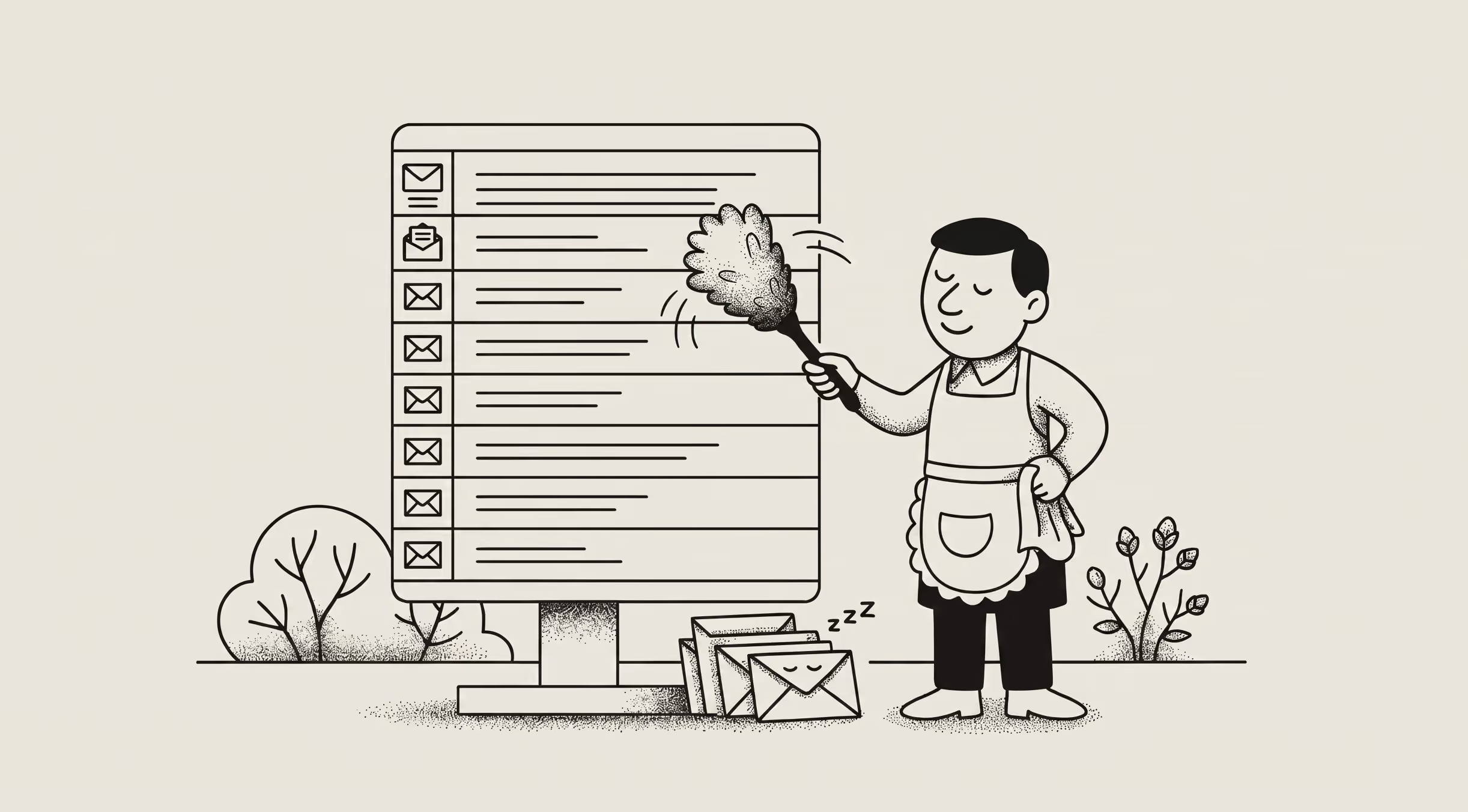
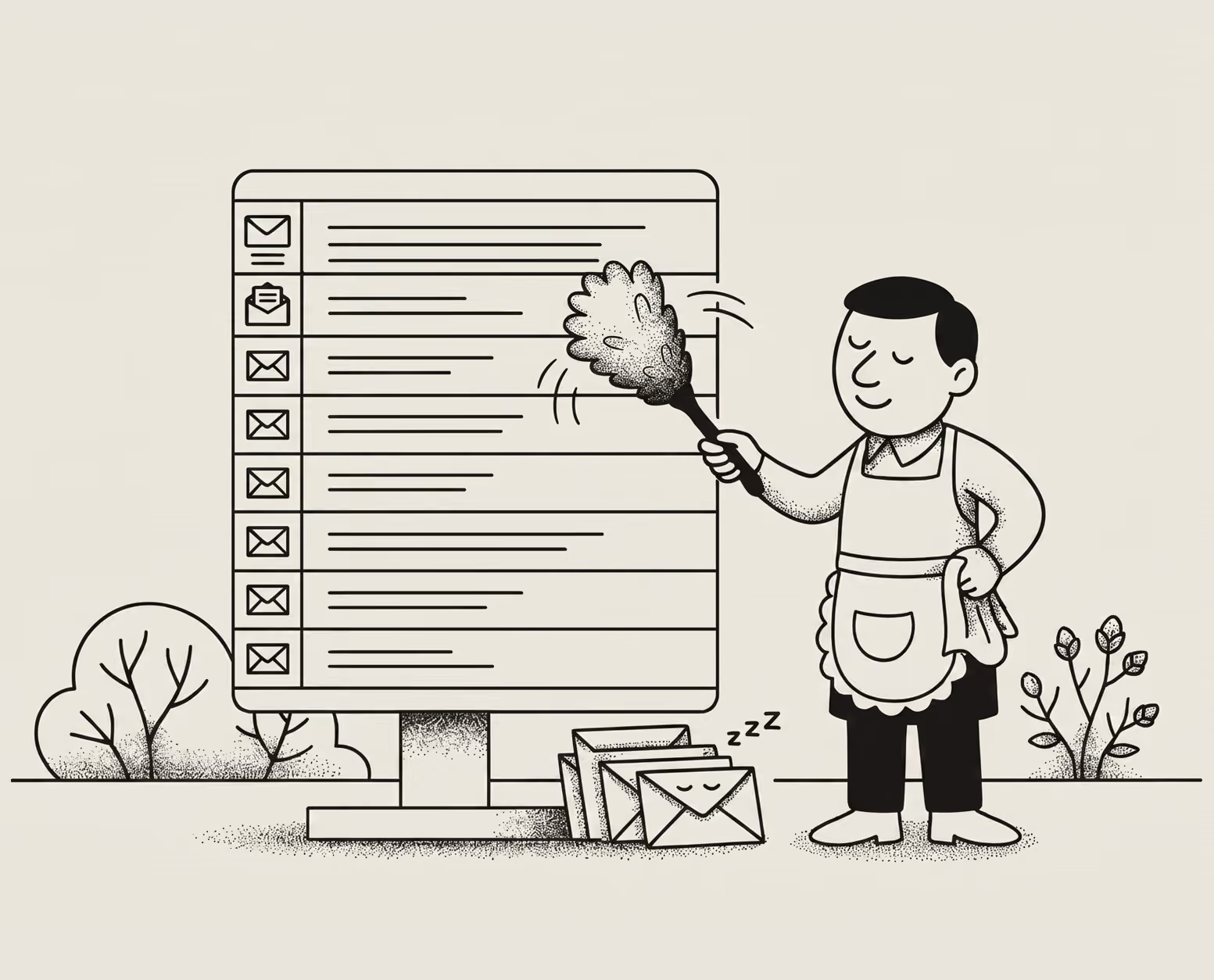
Why timing, not tactics, is the real growth lever.
Most re-engagement campaigns try harder. Few arrive at the right moment.
For years, email marketing has treated re-engagement as a tactical problem. Send a win-back email. Add a discount. Test a new subject line. Try again.
It's useful, sure, but it misses the point.
Dormant subscribers aren't lost — they're just out of sync. Their routines changed. Their priorities shifted. Your emails stopped landing at the right moment. What if re-engagement wasn't about pulling people back, but about showing up exactly when they're ready to pay attention again?
Enter spring re-engagement
Spring creates a quiet reset.
Inboxes get a second look. Things ignored in January suddenly feel worth opening. There's more curiosity, more openness, less resistance.
When email campaigns align with that shift, they don't feel like win-back attempts. They feel well timed.
[big-quote-start]
The brands that win aren't shouting louder, they're showing up when people are actually listening.
[big-quote-end]
Why timing beats tactics
Most strategies focus on what to send. Very few consider when people are actually ready to care again.
But timing is what turns an ignored email into an opened one.
Research consistently shows that engagement is driven by relevance and timing, not just frequency. When you meet your audience in the right moment, you don't need to push harder. You just need to show up.
What dormant subscribers actually need
Inactivity is often misunderstood.
It's not rejection. It's misalignment. Content that stopped landing at the right moment, messaging that became too predictable to notice.
Over time, send times drift away from real routines. The value proposition loses relevance. Meanwhile, expectations haven't changed. People still expect brands to understand what matters to them.
When that doesn't happen, they don't unsubscribe. They just stop paying attention.
[big-quote-start]
Inactivity usually reflects misalignment rather than rejection.
[big-quote-end]
Re-engagement isn't about being louder. It's about becoming relevant again.
From win-back campaigns to a relevance reset
Traditional re-engagement follows a familiar pattern: "We miss you." "Here's 10% off." "Come back."
Sometimes it works, but most of the time it's just reactive, a last-ditch effort to grab attention that's already moved on.
A stronger approach starts with a different question: Why would they want to re-engage with us right now?
Segmented, relevant campaigns consistently outperform generic sends, because attention isn't won back through pressure. It's rebuilt through relevance.
[big-quote-start]
The goal isn’t to win them back. It’s to make coming back make sense.
[big-quote-end]
Making re-engagement work
Effective re-engagement doesn't rely on a single email. It's a shift in approach.
- Segment by distance, not just inactivity
Not everyone is equally disengaged. Some subscribers just drifted. Others are gone. Treating them the same wastes effort and dilutes your message. - Break the pattern
Dormant subscribers ignore emails because ignoring them becomes a habit. A new tone, a different format, or unexpected value can reset that pattern and create a reason to look again. - Think in sequences, not moments
Re-engagement rarely happens in one email. It's a gradual rebuild of attention, interest, and trust. Each touchpoint should earn the next one.
At the same time, recognise when to stop.
List hygiene matters. Keeping disengaged users forever weakens deliverability and performance. Not everyone comes back, and that's part of the strategy.
The window is open. Now what?
Most marketers optimise tactics. Few optimise timing.
But timing is what makes the difference between being ignored and being opened. When re-engagement works, it doesn't feel like a campaign. It feels like the right message arriving at the right moment.
Spring creates that moment. The question is whether you'll be ready for it.
[big-quote-start]
The difference isn’t what you send. It’s when it lands.
[big-quote-end]
Let's make email feel relevant again
If timing feels like the missing piece in your email strategy, we should talk. We help brands turn email into something people actually want to open.

Please try again, or reach out to us at hello@elespacio.net.